"Lab tested" is printed on nearly every kratom package. The phrase means nothing on its own; what matters is the certificate of analysis (COA) behind it, and whether you can read it. This guide walks through a kratom extract tablet COA section by section using the panel Dialed publishes for every lot at /coas. Any reputable brand's COA should have the same components, even if the layout differs.
What a COA is (and isn't)
A certificate of analysis is a report from a laboratory stating what it found when it tested a specific sample. A good one is lot-specific (tied to the batch number on your package), third-party (the lab isn't the manufacturer), and accredited (ISO/IEC 17025 for the methods used). A COA is not a certification of safety, a government approval, or a guarantee about every unit; it's a snapshot of a representative sample. It's still the best tool you have.
The header: lab, sample, lot, dates
Before you read any numbers, check the top of the page:
- Lab name and address. Search it. A real lab has a website, a physical location and, usually, an accreditation certificate you can look up.
- Accreditation. ISO/IEC 17025 with a certificate number. Accreditation bodies (A2LA, ANAB, PJLA and others) maintain public directories.
- Sample ID and lot/batch number. The lot on the COA must match the lot on your sachet or blister. A COA with no lot number is a generic document, not a test of your product.
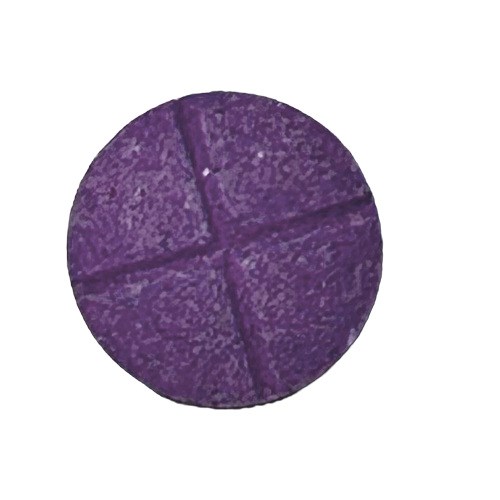
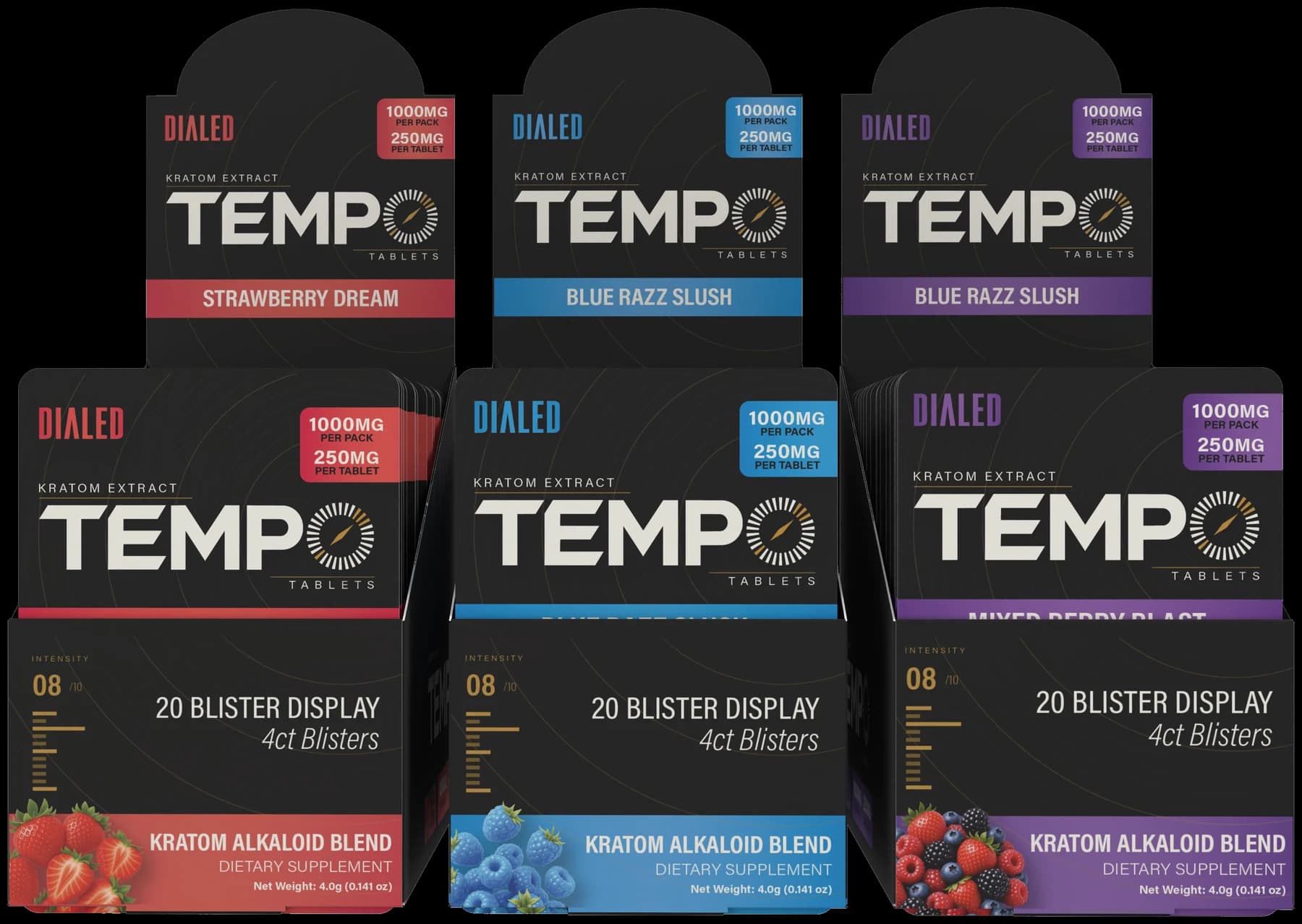
- Sample description. "Tempo Kratom Extract Tablets, Mixed Berry Blast, 250 mg kratom alkaloid blend per tablet" is specific. "Kratom" is not.
- Dates received and reported. A COA from 2024 on a product made in 2026 is a red flag.
Potency: mitragynine and 7-OH
This is the section that tells you whether the label is true.
| Analyte | What to look for | Tempo target |
|---|---|---|
| Mitragynine | Reported in mg per unit (tablet) and/or % by weight. Compare to the label claim; ±10% is a normal manufacturing tolerance. | 150 mg per tablet (the pack label prints the kratom component as a 250 mg kratom alkaloid blend) |
| 7-hydroxymitragynine (7-OH) | Reported in mg per unit and % dry weight. Must be under 1.00 mg per unit and 0.050% dry weight to be federally compliant as of Aug 5, 2026. | Not detected (ND), every lot |
| Other alkaloids (optional) | Some labs report paynantheine, speciogynine, speciociliatine. Useful for confirming a full-spectrum profile; not required. | Reported where available |
Two details matter. First, for tablets, per-unit numbers are the useful ones; a percentage alone requires you to know the tablet weight. Second, watch the 7-OH line closely. If a COA reports 7-OH as "ND" (not detected), check the detection limit (LOD/LOQ) printed alongside; "ND" with a high detection limit is less informative than a small measured number. If the 7-OH line is missing entirely from an extract COA, the product's compliance is unverified. Background in Is 7-OH Banned? and Mitragynine Explained.
The corydalis line (blended products)
For a tablet like Tempo that includes 13-OH corydalis extract, the COA should carry a separate assay for the corydalis component, with 13-OH resolved from tetrahydropalmatine (THP) by HPLC. THP and 13-OH elute close together, so a lab that reports only "corydalis alkaloids" hasn't shown it can tell them apart. A blend COA that reports mitragynine but nothing for the second botanical means the second botanical is unverified.
Heavy metals
Kratom is a leaf crop and accumulates metals from soil. The four that matter:
| Metal | Common limit (per serving or per gram; varies by standard) |
|---|---|
| Lead (Pb) | Tightest limit; the one most likely to fail in kratom. Many standards target well under 1 ppm. |
| Arsenic (As) | Low ppm limits; inorganic arsenic is the concern. |
| Cadmium (Cd) | Low ppm limits. |
| Mercury (Hg) | Very low limits; rarely an issue in kratom but tested anyway. |
Limits are set by the standard the lab or brand follows (USP, state KCPA rules, AHPA guidance, Prop 65 in California). A COA should state the limit next to the result and mark pass/fail. If it lists results with no limits, you can't judge them.
Microbials
Historically the most common reason for kratom recalls. Look for:
- Total aerobic plate count and total yeast and mold, with limits (often 104–105 CFU/g for botanicals)
- E. coli, Salmonella and Staphylococcus aureus: should be absent/not detected
- Sometimes coliforms and Enterobacteriaceae
Extract tablets tend to test cleaner than raw powder because processing reduces microbial load, but they still need the panel.
Pesticides and residual solvents
Pesticides: a multi-residue screen against a defined list (often 60+ compounds). Result should be "not detected" or under limits for each. Residual solvents: relevant for any extract, because extraction commonly uses ethanol or other solvents. Ethanol, methanol, hexane, acetone and others should be under USP-style limits. A kratom extract COA without a residual solvent line is incomplete.
Red flags that make a COA worthless
- No lot number, or a lot that doesn't match your package.
- Potency only. Mitragynine (and maybe 7-OH) with no contaminant panels. Common on products that don't want you to see the metals line.
- An unverifiable lab. No address, no accreditation, or a name that returns nothing in a search.
- Old dates. A COA more than a year old for a product with ongoing production.
- Results without limits. Numbers with no pass/fail context.
- Edited PDFs. Mismatched fonts, misaligned columns, or a lab logo pasted onto a different template. Genuine labs will confirm a COA if you email them the sample ID.
How the Tempo COA is laid out
Every Dialed lot is tested by an independent lab (FESA Labs, Santa Ana CA; HPLC-DAD for potency) and the report is posted at /coas, searchable by the lot number printed on your sachet or blister. The panel: mitragynine (mg/tablet; target 150 mg), 7-OH (mg/tablet and % dry weight; not detected on every lot to date, against a 1.00 mg per unit federal limit), corydalis extract with 13-OH resolved from THP, heavy metals (Pb, As, Cd, Hg), microbials, pesticides, residual solvents. If a lot isn't posted, it didn't ship. Questions about a specific report go to compliance@feeldialed.com. More on our process at /quality.
Frequently asked questions
What's the most important line on a kratom COA?
For an extract tablet in 2026: 7-OH under 1.00 mg per unit and 0.050% dry weight, then mitragynine matching the label, then lead. If any of those three is missing or fails, stop there.
Is "ND" (not detected) always good?
Usually, but check the detection limit next to it. ND with a limit of 0.5 mg tells you less than a measured 0.08 mg. For contaminants, ND is what you want; for 7-OH on an extract, either ND or a small measured value under threshold is fine.
How do I check a lab is accredited?
Find the accreditation body named on the COA (A2LA, ANAB, PJLA, etc.), go to that body's public directory, and search the lab name or certificate number. The scope listing should include the methods used for potency and contaminants.
Important
These statements have not been evaluated by the Food and Drug Administration. This product is not intended to diagnose, treat, cure, or prevent any disease. Not for use by anyone under 21. Keep out of reach of children. Do not use if pregnant or nursing. Consult a physician before use if you have a medical condition or take medication. Do not operate a vehicle or heavy machinery after use. Kratom products may be habit-forming; use responsibly.
This article is for general information only and is not medical, legal, or professional advice. Kratom laws change frequently — verify current rules in your state and locality before purchasing. Tempo by Dialed does not contain added 7-hydroxymitragynine; every lot is verified below the federal threshold. Must be 21+ to purchase.